 info@triniteconsulting.com
 +1 (224) 385 9760
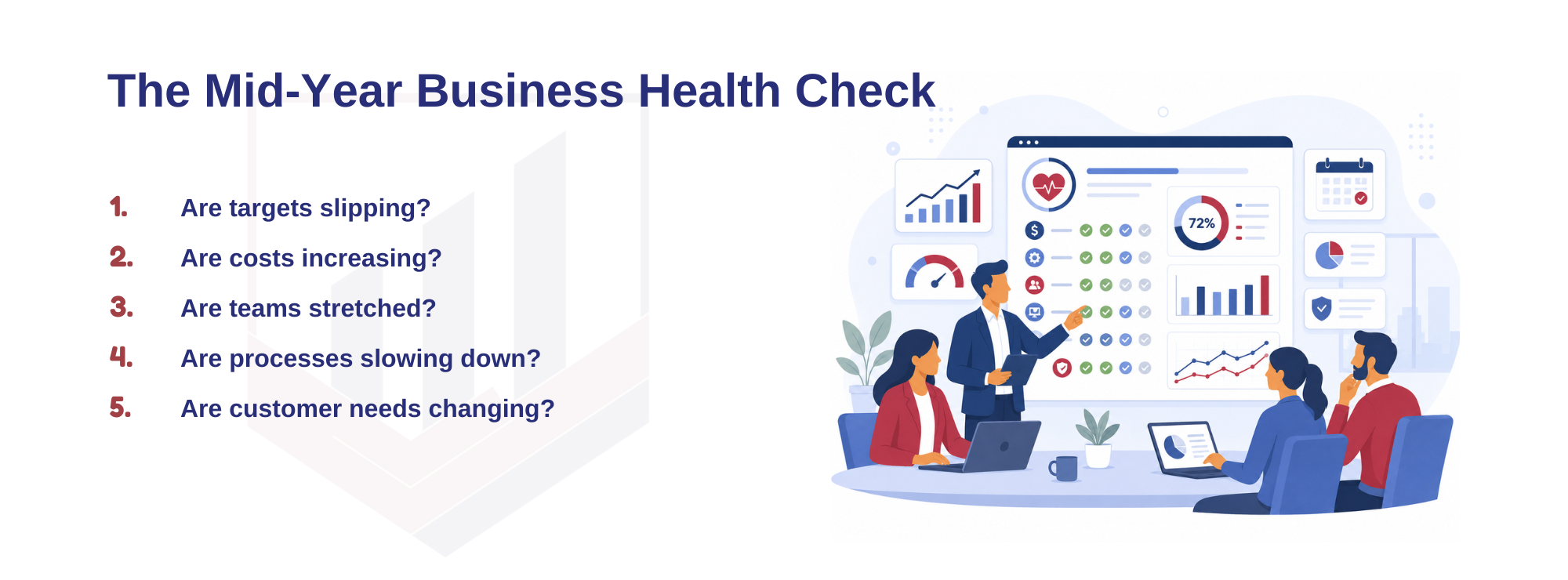
Mid-year reviews are critical checkpoints for companies. They allow leadership teams to assess performance, identify gaps, and make timely adjustments before small issues become year-end problems. By reviewing finances, operations, people, customers, technology, and risk at the six-month mark, businesses can reallocate resources, reset priorities, and improve second-half performance.
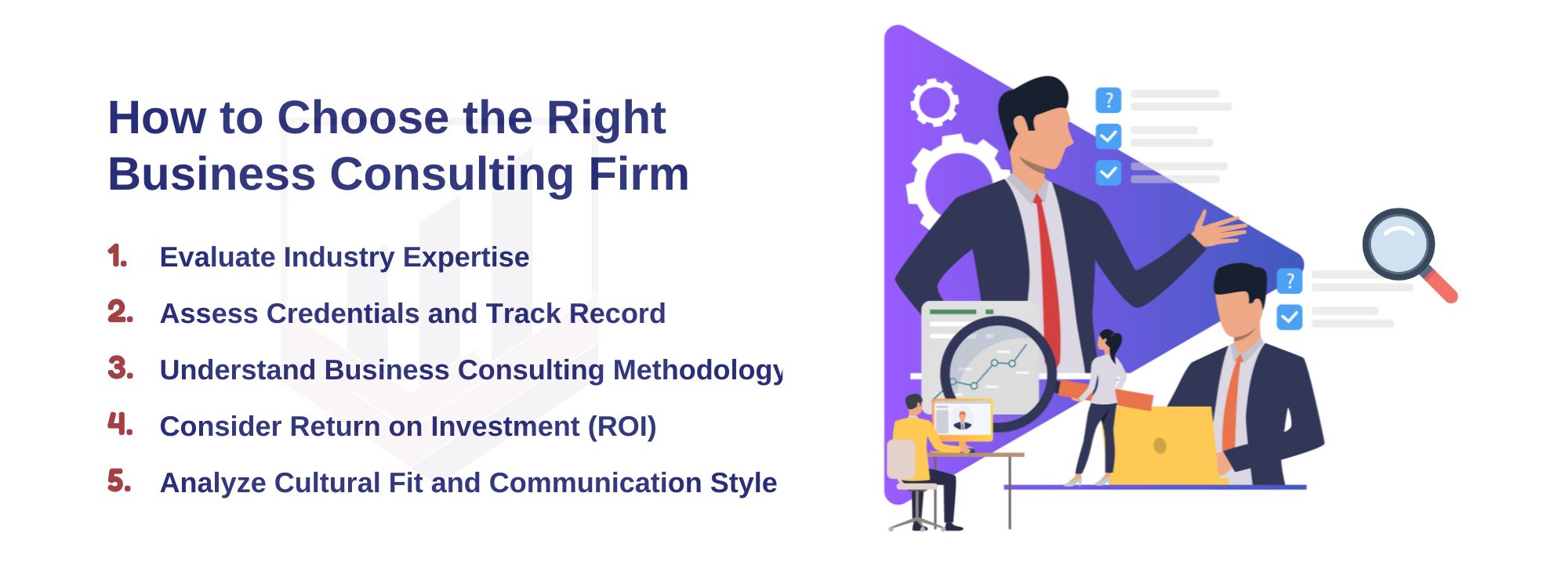
A mid-year business health check is not just an internal review exercise. For many companies, it is also the right time to work with a business consulting firm to evaluate performance more objectively. Internal teams may understand daily operations, but they may not always have the distance, frameworks, or cross-industry perspective needed to identify root causes. Business consulting support can help companies interpret data, diagnose process gaps, prioritize corrective actions, and develop a practical roadmap for the second half of the year.
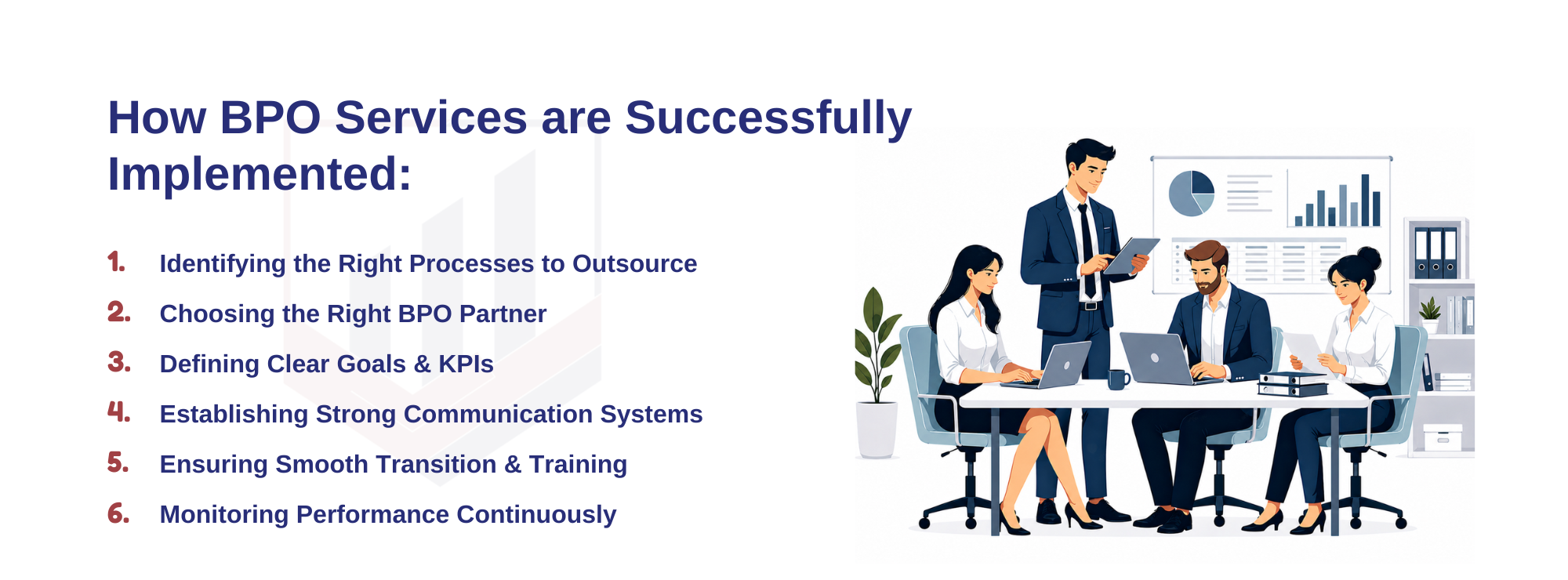
Depending on the findings, the solution may not always be consulting alone. Some challenges may require Business Process Outsourcing support to stabilize repetitive back-office processes. Others may require staffing services to close skill gaps, manage workload surges, or support urgent hiring needs. A strong mid-year review helps companies decide which type of support is most suitable: consulting for diagnosis and strategy, BPO for process execution, and staffing for capacity or talent gaps.
How Business Consulting Can Help
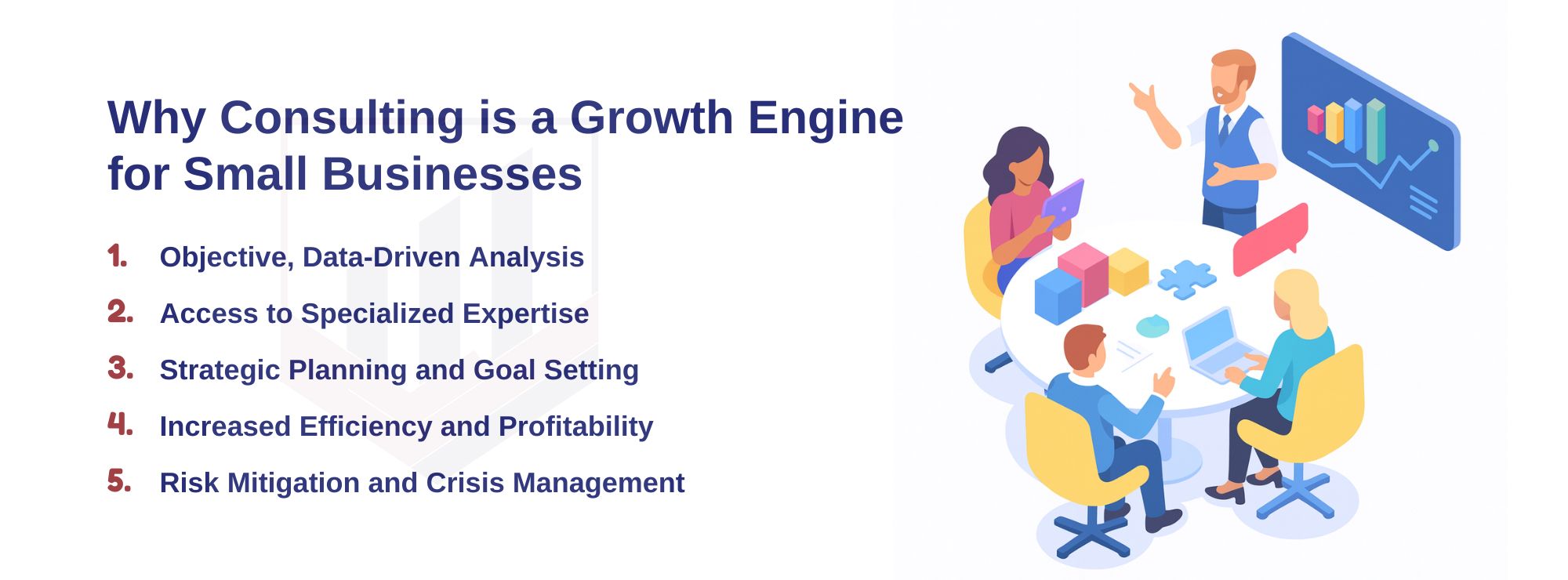
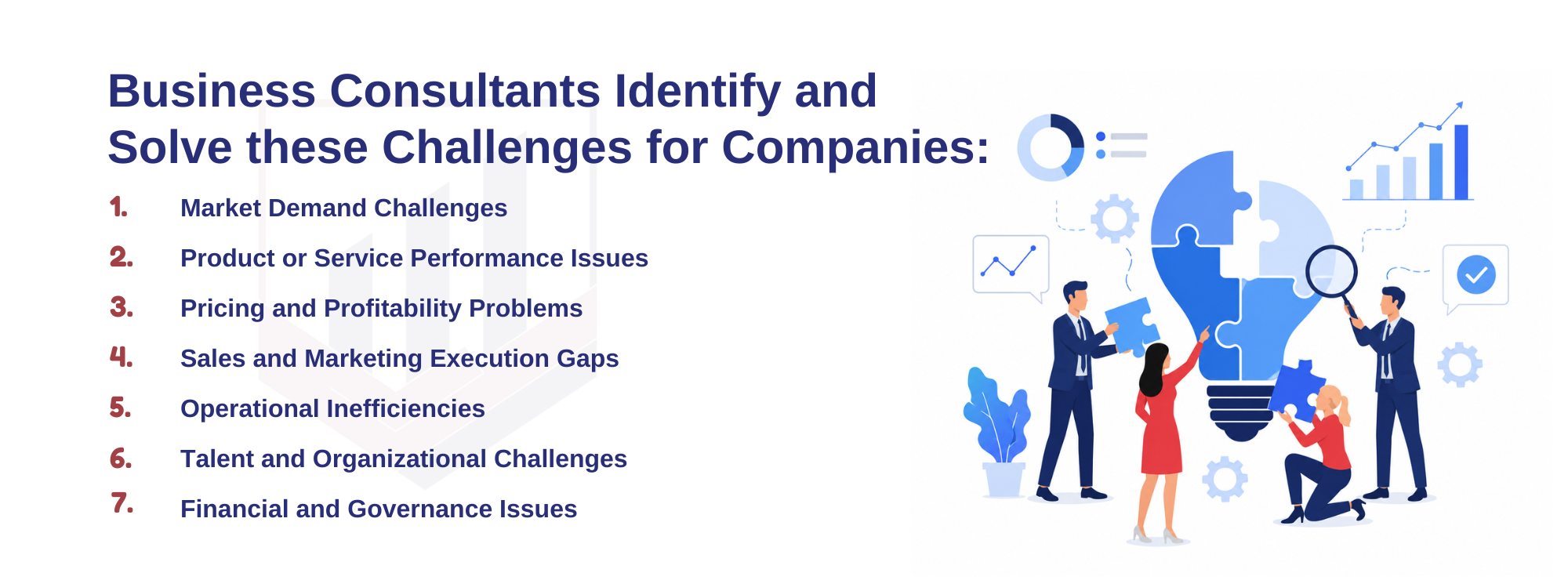
A mid-year business health check helps companies understand where they stand, but business consulting helps turn those findings into action. A business consultant can review financial performance, operational gaps, staffing challenges, customer trends, and strategic priorities with an objective perspective. This helps leadership teams identify the real causes behind delayed growth, rising costs, process inefficiencies, or missed targets.
Business consulting also helps companies decide the right next step. Some issues may require process improvement, some may need BPO support, and others may need staffing support to close capacity or skill gaps. By working with a business consultant, companies can prioritize corrective actions, allocate resources better, and build a practical roadmap for stronger second-half performance.
Why Conduct a Mid-Year Business Health Check?
Businesses often focus on annual or quarterly planning, but the midpoint of the year is an important time to pause and course-correct. A comprehensive mid-year review is proactive rather than reactive. It covers key functions such as finance, sales, operations, HR, customer experience, technology, and compliance while there is still time to act.
When companies wait until year-end to ask these questions, they often have limited time to make meaningful changes. By reviewing performance mid-year, they can still reallocate budgets, improve processes, strengthen teams, adjust customer strategies, or bring in external consulting, BPO, or staffing support where required.
Key Domains to Review
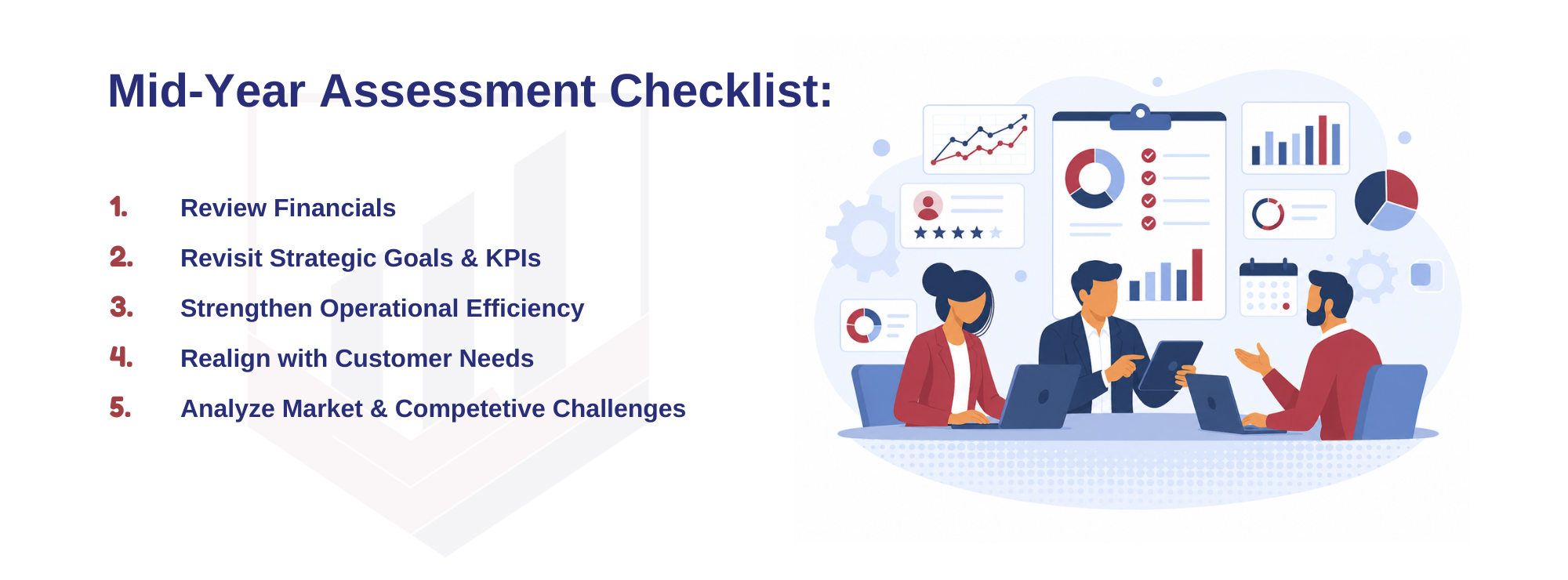
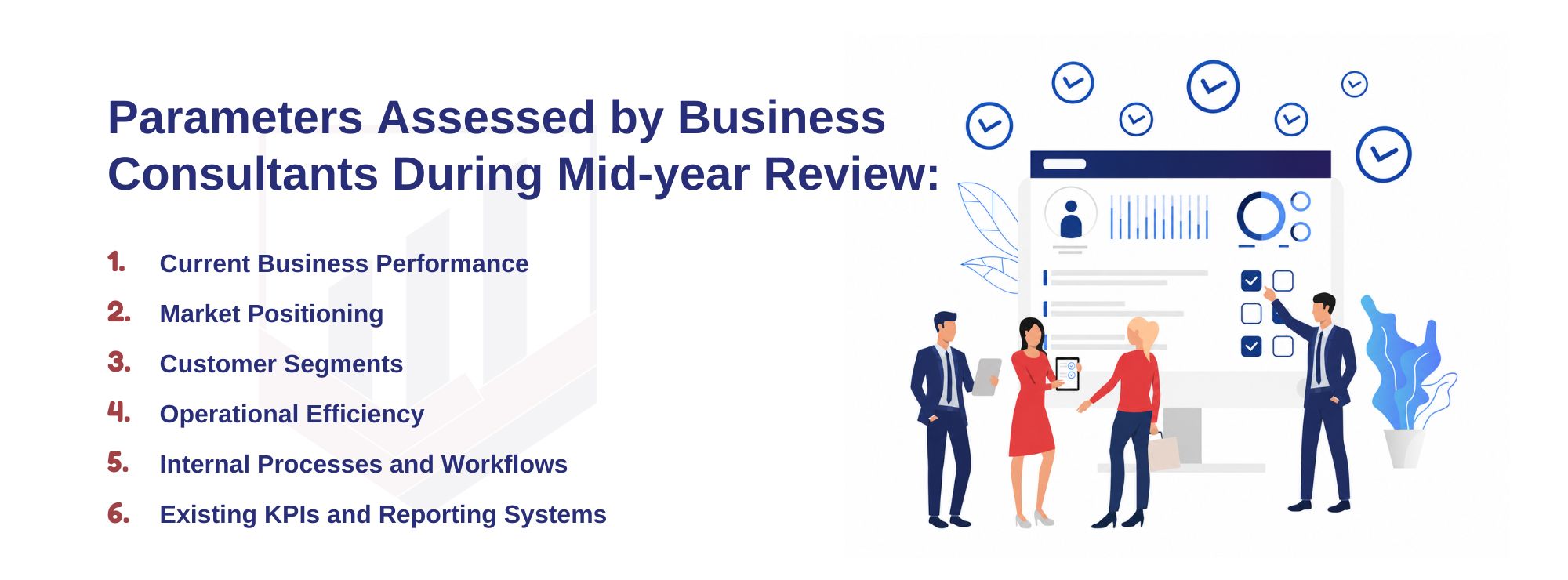
A strong mid-year business health check examines all major areas of the business. The goal is not only to identify what is behind target, but also to understand why it is behind target and what corrective action is needed.
Financial Health
Analyze year-to-date results against budget. Review cash flow, profit margins, balance sheet strength, cash runway, and forecast accuracy. Identify underperforming products, cost overruns, late collections, or pricing issues that may need corrective action. Checking finances mid-year allows businesses to make adjustments before financial pressure increases toward year-end.
Operational Efficiency
Assess processes, workflows, productivity, supply chain reliability, and bottlenecks. Look at where delays, quality issues, rework, or manual tasks are slowing down delivery. Mid-year is the right time to optimize scheduling, improve process ownership, update tools, or consider BPO support for repetitive processes that are consuming internal capacity.
People and HR
Review staffing levels, open positions, turnover, employee engagement, workload pressure, and training needs. Ask whether teams are properly staffed for second-half goals and whether key roles are still vacant. If capacity or skill gaps are affecting delivery, the business may need staffing support, training, or role realignment.
Customer and Market
Review customer satisfaction, churn, sales pipeline health, lead quality, market trends, and customer feedback. Identify whether customer needs have shifted, whether pricing or packaging still resonates, and whether sales and marketing efforts are producing the right opportunities. These insights can help businesses refine their customer strategy before the year ends.
Strategy and Competition
Revisit annual goals, KPIs, market priorities, and competitive positioning. Some goals may still be relevant, while others may need adjustment based on market changes, customer demand, or internal performance. Mid-year is a practical time to redirect resources toward higher-value opportunities.
Technology and IT
Review software systems, reporting tools, cybersecurity, automation opportunities, and data accuracy. Outdated systems or poor reporting can slow down operations and decision-making. A mid-year technology review helps businesses understand whether their systems are supporting growth or creating hidden inefficiencies.
Compliance and Risk
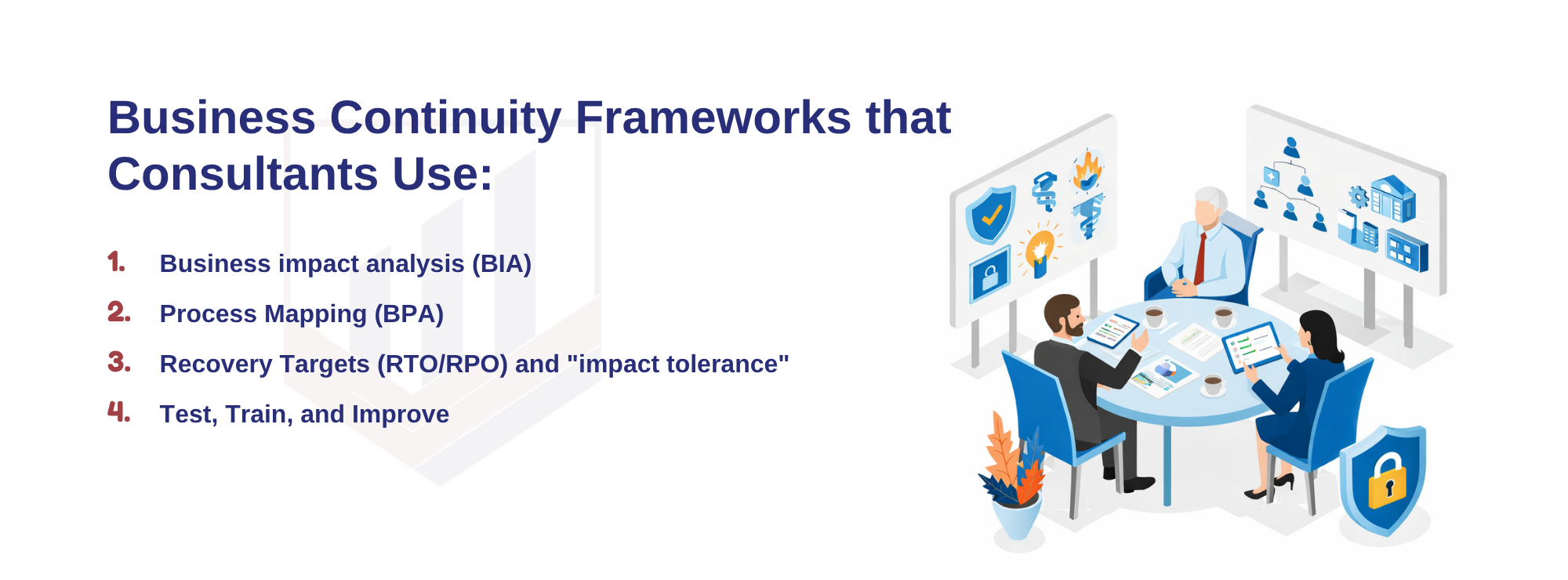
Review legal, regulatory, HR, safety, financial, cybersecurity, supplier, and insurance-related risks. Compliance gaps can become costly if they are ignored until year-end. A mid-year audit helps companies identify exposure early and take preventive action.
Mid-Year Business Health Check Table
| Domain | Key Items to Review |
|---|---|
| Financial | Cash flow, forecasts vs. actuals, profit/loss trends, margins, budget variances, accounts receivable, working capital, and financing needs |
| Operational | Productivity, throughput, inventory levels, supply chain status, quality metrics, bottlenecks, vendor performance, and process waste |
| People and HR | Staffing vs. plan, open positions, turnover, engagement, performance, training needs, compensation, benefits, and succession planning |
| Customer and Market | Customer satisfaction, churn, lead quality, sales pipeline, market trends, campaign performance, and new service opportunities |
| Strategy and Competitive | Strategic objectives, KPIs, market changes, competitor activity, growth opportunities, threats, and pricing adjustments |
| Technology and IT | System performance, reporting tools, data accuracy, cybersecurity, backup systems, automation, and software upgrade needs |
| Compliance and Risk | Regulatory changes, HR compliance, financial controls, insurance coverage, supplier risk, cybersecurity risk, contracts, and internal policies |
A manufacturing company may discover during a mid-year review that production delays are being caused by unclear workflows, outdated systems, or compliance gaps. Instead of waiting until year-end, leadership can update procedures, retrain teams, improve reporting, and assign clear process ownership. This helps reduce operational risk and improves readiness for the second half of the year.
A retail or service-based business may find that certain offerings are underperforming while customer expectations have shifted. A mid-year review can help the company reassess pricing, customer communication, promotions, and sales focus. With the right adjustments, the business can improve customer response and protect revenue momentum.
A growing company may also realize that internal teams are stretched, key roles remain open, or repetitive tasks are taking time away from strategic work. In such cases, the review may show the need for staffing services, BPO support, or business consulting support. The value of the mid-year review is that it helps leadership make these decisions early, before capacity issues affect delivery and growth.
Conclusion
A structured mid-year business health check is a practical management exercise that helps companies review performance, identify risks, and make timely improvements. By reviewing finance, operations, people, customers, strategy, technology, and compliance, businesses can understand where they stand and what needs to change before year-end.
The review tables in this blog can be used as a simple guide for leadership discussions and internal planning. If the review reveals deeper performance gaps, process issues, or capacity challenges, Trinite Consulting can help with business consulting, BPO services and staffing solutions to support stronger second-half performance.
Get Consultation
Related Blogs
Recent Blogs
Partner with us today!


