 info@triniteconsulting.com
 +1 (224) 385 9760
Businesses in Chicago operate in one of the most competitive corporate environments in the U.S. With rising operational costs, talent shortages, and increasing customer expectations, many companies are turning to Business Process Outsourcing (BPO) as a strategic solution.
This guide brings together everything Chicago businesses need to know, from benefits to common challenges and how to manage BPO effectively.
What is BPO and Why It Matters in Chicago
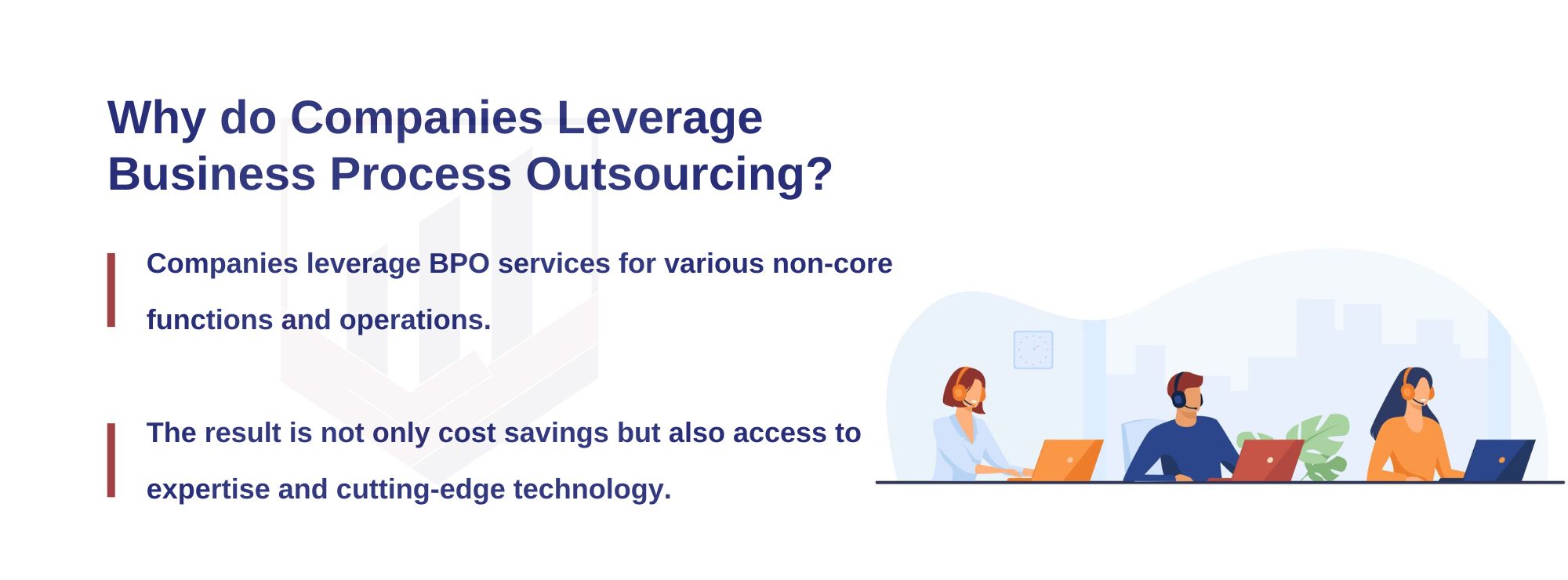
Business Process Outsourcing involves delegating non-core business functions, such as customer service, IT support, HR, accounting, and data processing, to external service providers.
BPO services in Chicago go beyond cost savings. They are also about scaling faster, accessing global expertise, and staying competitive in a high-demand labor market.
Key Benefits of BPO for Chicago Businesses
1. Access to Global Talent & Expertise
Chicago’s tight labor market makes hiring specialized professionals difficult and expensive. BPO gives businesses access to trained experts across domains like customer service, IT, finance, and content operations.
2. Significant Cost Reduction
Outsourcing reduces:
- Labor costs
- Office space and infrastructure
- Hiring and training expenses
- Technology investments
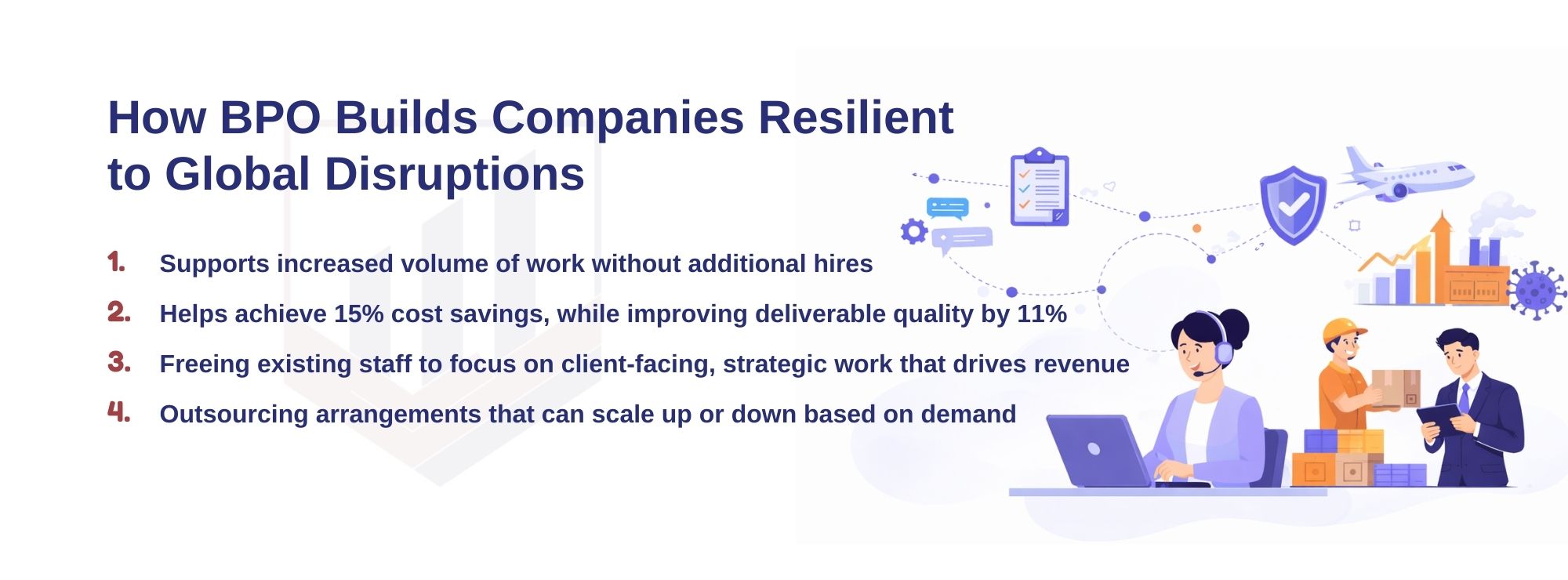
Businesses can save up to 70–90% in some outsourcing models.
3. Scalability & Flexibility
BPO allows companies to:
- Scale teams up or down quickly
- Handle seasonal demand fluctuations
- Offer 24/7 support across time zones
4. Advanced Technology Access
Outsourcing providers bring built-in access to:
- AI-driven automation
- Cloud platforms
- CRM and analytics tools
- Contact center technologies (IVR, CCaaS)
5. Focus on Core Business Functions
By outsourcing repetitive or operational tasks, internal teams can focus on:
- Business development
- Customer experience
- Strategic growth
How to Successfully Implement BPO in Chicago
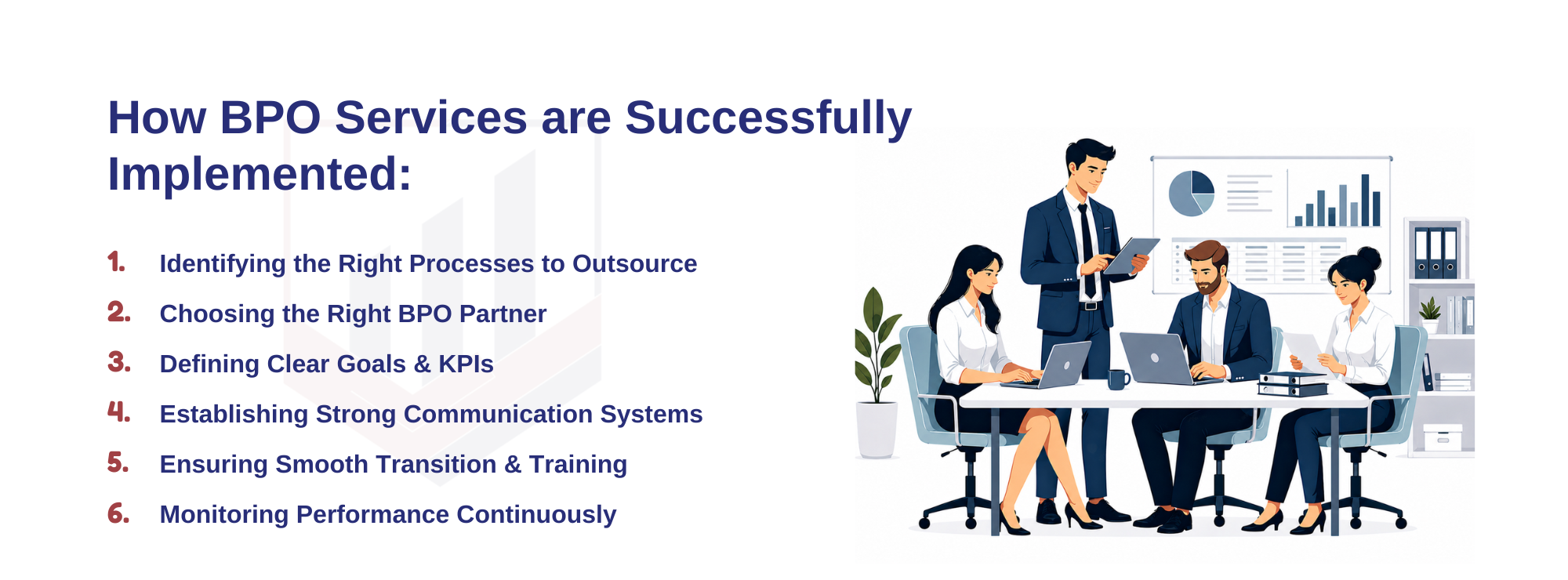
1. Identify the Right Processes to Outsource
Focus on:
- Non-core functions
- Tasks requiring specialized skills
- Processes with high cost or time burden
2. Choose the Right BPO Partner
Evaluate based on:
- Industry experience
- Service specialization
- Pricing transparency
- Client reviews
- Security and compliance standards
3. Define Clear Goals & KPIs
Set measurable targets such as:
- Customer satisfaction (CSAT)
- First call resolution (FCR)
- Average handling time (AHT)
- Cost reduction targets
4. Establish Strong Communication Systems
- Use tools like Slack, Teams, or project management platforms
- Set reporting frequency
- Define roles and points of contact
- Encourage open feedback
5. Ensure Smooth Transition & Training
- Document workflows
- Provide product/service training
- Align tools and systems
- Use phased onboarding
6. Monitor Performance Continuously
- Track KPIs regularly
- Conduct quality audits
- Provide feedback and coaching
- Optimize processes based on data
Common BPO Challenges (and How to Solve Them)
1. Communication Gaps
Problem: Time zones, language, cultural differences
Solution: Structured communication protocols + regular meetings
2. Quality Control Issues
Problem: Inconsistent output or lack of monitoring
Solution:
- Set clear standards
- Use QA tools
- Conduct audits
3. Data Security Risks
Problem: Confidentiality and cyber threats
Solution:
- Use encryption & VPNs
- Implement multi-factor authentication
- Enforce NDAs
- Conduct security audits
4. Hidden Costs
Problem: Unclear pricing, unexpected fees
Solution:
- Transparent SLAs
- Detailed cost breakdown
- Defined billing terms
Chicago-Specific Considerations in Outsourcing
Regulatory Compliance
Businesses must ensure BPO partners comply with:
- Local labor laws
- Data protection regulations
- Industry-specific standards
Local Market Understanding
A good BPO partner should:
- Understand Chicago’s business environment
- Adapt to local customer expectations
- Support cultural alignment
Building Strategic Partnerships
Strong collaboration with outsourcing partners leads to:
- Better performance
- Long-term scalability
- Sustainable growth
The Role of Leadership in BPO Success
Outsourcing is not a “set-and-forget” strategy. Strong leadership is essential to:
- Align external teams with business goals
- Maintain communication and accountability
- Drive performance improvements
- Build long-term partnerships
Key leadership skills include:
- Communication
- Problem-solving
- Cultural awareness
Performance management
Final Thoughts
For a business consultant in Chicago who is supporting companies in process optimization, BPO has become a strategic growth lever.
When implemented correctly, it enables companies to:
- Scale operations efficiently
- Improve customer experience
- Access global expertise
- Stay competitive in a demanding market
However, success depends on choosing the right BPO partner, setting clear expectations, and actively managing the relationship
Get Consultation
Related Blogs
Recent Blogs
Partner with us today!


